






Summary
- Microneedling and nano-infusion are often compared, but they work very differently.
- Microneedling focuses on deeper skin stimulation and typically involves downtime.
- Nano-infusion delivers hydration, glow, and skin support without needles or recovery.
- For clients who want visible results with minimal irritation, nano-infusion is often the smarter choice.
If you’ve been exploring advanced facial treatments, you’ve probably come across microneedling. It’s one of the most talked-about options for skin rejuvenation. But microneedling isn’t the only way to improve your skin—and for many people, it isn’t the most practical one.
Nano-infusion facials offer a gentler, glow-focused alternative that supports hydration, skin health, and radiance without needles or downtime. Below, we’ll break down the differences between microneedling and nano-infusion and explain why nano-infusion is often the better fit for modern skincare goals.
What Microneedling Is Known For
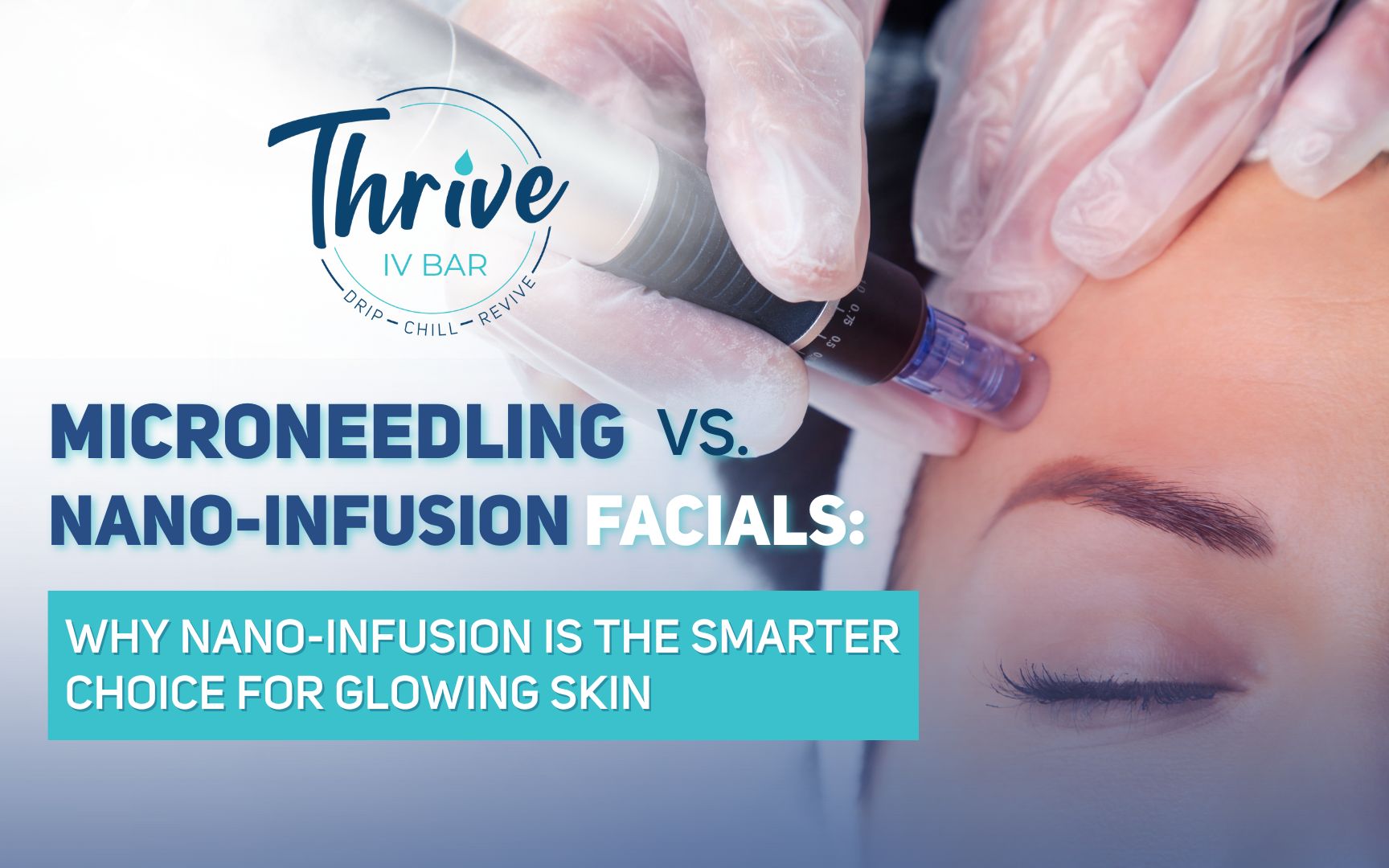
Microneedling uses very fine needles to create tiny channels in the skin. These micro-injuries prompt the skin’s natural repair process, which can improve texture and tone over time.
It’s commonly associated with addressing:
- Rough or uneven texture
- Fine lines and wrinkles
- Acne scarring
- Uneven tone or pigmentation
Because microneedling relies on controlled injury, it often comes with temporary redness, sensitivity, and a recovery window. Results tend to build gradually, usually over a series of treatments.
For some people, this approach makes sense. For others—especially those with sensitive skin, barrier concerns, or busy schedules—it can feel more aggressive than necessary.
How Nano-Infusion Facials Work
Nano-infusion facials take a completely different approach. Instead of needles, nano-infusion uses microscopic tips to gently infuse targeted serums into the upper layers of the skin.
The goal isn’t to create trauma—it’s to help the skin absorb beneficial ingredients more effectively while supporting hydration and the skin barrier.
Nano-infusion is especially popular for:
- Dry or dehydrated skin
- Dullness or lack of glow
- Fine lines caused by dryness
- Skin that feels stressed or fatigued
- Clients who want results without downtime
Because the treatment is surface-level and non-invasive, most people find it comfortable and relaxing. Many notice smoother, brighter-looking skin immediately after their session.
Why Nano-Infusion Supports Skin Health Long-Term
One of the biggest advantages of nano-infusion facials is that they work with your skin rather than against it. Instead of triggering inflammation to force change, nano-infusion focuses on improving the skin’s ability to receive and retain hydration and supportive ingredients.
Healthy skin depends on a strong moisture barrier. When that barrier is compromised—by sun exposure, environmental stress, harsh products, or overly aggressive treatments—skin can become dry, irritated, and more prone to premature aging.
Nano-infusion helps reinforce this barrier by delivering hydrating and restorative serums in a way the skin can readily accept. Over time, many clients notice their skin feels more balanced, less reactive, and better able to maintain hydration between treatments. This makes nano-infusion ideal for those who want steady improvement rather than cycles of irritation and recovery.
Microneedling vs. Nano-Infusion: What’s the Difference?
Although these treatments are often grouped together, they serve different purposes.
Depth of Treatment
Microneedling works below the surface to trigger repair. Nano-infusion works closer to the surface to enhance hydration and absorption.
How the Skin Responds
Microneedling relies on inflammation as part of the process. Nano-infusion supports the skin without causing irritation.
Downtime
Microneedling usually involves redness and recovery. Nano-infusion allows you to return to your day right away.
Results Timeline
Microneedling results develop over weeks. Nano-infusion delivers an immediate glow, with cumulative benefits over time.
Nano-Infusion as Part of a Consistent Skincare Routine
Another reason nano-infusion continues to grow in popularity is how easily it fits into an ongoing skincare routine. Because there’s no downtime, treatments can be scheduled regularly without disrupting daily life, workouts, or social plans.
Many clients use nano-infusion as a monthly “reset” for their skin—helping counteract dehydration, environmental stress, and seasonal changes. Others incorporate it before special events because of the smooth texture and radiant finish it provides.
Consistency matters in skincare, and nano-infusion allows for that consistency without requiring recovery periods or extensive aftercare.
What to Expect From a Nano-Infusion Facial
Nano-infusion facials are designed to feel restorative, not aggressive. After treatment, many clients notice:
- Increased hydration
- Smoother skin texture
- Brighter, more even-looking skin
- A healthy, refreshed glow
With regular sessions, skin often appears more resilient, balanced, and responsive to at-home skincare products.
Who Nano-Infusion Is Especially Ideal For
Nano-infusion facials are a great option for a wide range of skin types and lifestyles, including:
- Clients new to advanced facials who want a gentle introduction
- Those with sensitive, reactive, or easily irritated skin
- People managing dryness, dullness, or uneven glow
- Clients who prefer low-maintenance treatments with visible payoff
- Anyone looking to maintain healthy skin between other wellness services
Because nano-infusion focuses on hydration and skin support, it works well year-round and can be adjusted as your skin’s needs change.
A Smarter, Modern Approach to Skin Rejuvenation
Microneedling has earned its place in skincare conversations—but it isn’t the only path to glowing skin. Nano-infusion facials offer a gentler, more approachable option that delivers visible results without needles or downtime.
For those looking to enhance hydration, boost glow, and support long-term skin health, nano-infusion provides a smart, modern alternative.
Frequently Asked Questions (FAQs)
Is nano-infusion a good alternative to microneedling?
Yes. For many clients, nano-infusion delivers visible results without the discomfort or recovery associated with microneedling.
How often should I get a nano-infusion facial?
Many people benefit from treatments every 3–4 weeks, depending on their skin goals.
Is nano-infusion suitable for sensitive skin?
Because it doesn’t involve needles or skin injury, nano-infusion is often well-suited for sensitive or reactive skin types.
Who is a good candidate for nano-infusion?
Anyone looking to improve hydration, glow, and overall skin appearance without downtime is a great candidate.
Ready to Experience the Benefits of Nano-Infusion?
If you’re looking for a facial that delivers visible hydration, glow, and skin support—without needles or downtime—nano-infusion may be the perfect fit. At Thrive IV Bar, our nano-infusion facials are designed to support your skin’s natural balance while helping you look refreshed and radiant.
Whether you’re new to advanced facials or simply want a more comfortable, results-driven option, our team is here to help you find the right approach for your skin.
Explore our Nano-Infusion Facial services or book your appointment today.